...as a material to sleep under. In the past, it was mostly woolen blankets, but over the years, the wool duvet in particular has gained enormous popularity. We completely understand why. Wool is a fantastic filling! With wool, you are never too cold, and you never get too warm. Wool is self-cleaning and offers a pleasantly comforting weight.
Why choose a wool duvet?
Over time, wool has proven to be an incredibly versatile material. It is used for clothing, blankets, pillows, underblankets, and, as mentioned, duvets. We understand perfectly why so many people automatically gravitate toward a wool duvet.
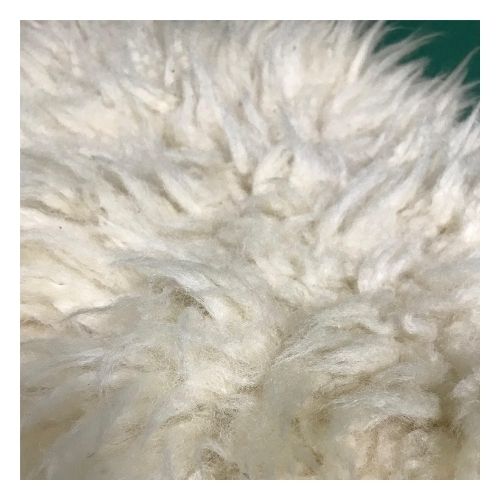
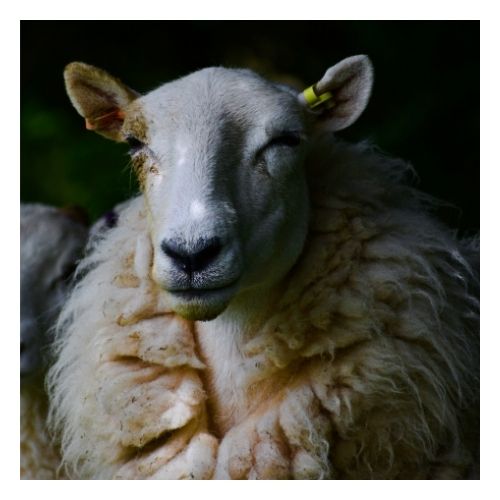
The quality of the wool depends largely on the lanolin content. Lanolin is another word for wool fat (or wool grease). It feels somewhat like wax and protects the sheep's coat from the elements. Lanolin makes wool self-cleaning, antibacterial, and dirt-repellent. Just as importantly, lanolin ensures that wool does not itch or prickle; wool only begins to "sting" when it dries out.
How should you wash a wool duvet?
We are asked this question quite often, and we can be very clear about it: You cannot wash a wool duvet. When you wash wool, you wash the lanolin out of the fibers. This causes the wool to become dry, leading to that itchy, prickly feeling against the skin. While "washable wool" might seem like a solution, we always advise against it. Washable wool typically has a much shorter lifespan due to the lower quality of the wool used. The lanolin layer is what truly defines the quality of wool.
“How much does it cost to dry clean a wool duvet?” is the next question we frequently hear. On average (depending on the dry cleaner), the cost for a double duvet—or two parts in the case of a 4-season duvet is around €50.
While you could certainly spend that money on other fun things, consider that this is a way to refresh your wool duvet when necessary. Because it contributes to the longevity of your bedding, it is certainly worth the investment for a high-quality product like the Texels Classic DeLuxe duvet.
Which wool duvet is the best?
There are many types of wool: (Texel) sheep’s wool, lamb’s wool, Merino wool, Cashmere, and Alpaca wool. These are just a few of the varieties in our range. Sheep's wool, lamb's wool, and Merino wool are particularly well-suited for duvet and pillow fillings. Every type of wool has its own unique properties, so there is no single "best" wool type to highlight.
We prefer to focus on the type of duvet itself. Every duvet has its own warmth class. There are four classes in total. Warmth Class 1 is the thickest, also known as the winter section. Classes 2 and 3 are the "all-year" and the "spring/autumn" duvets. Finally, Warmth Class 4 is the summer duvet, the thinnest of them all. You could buy a separate duvet for every season, but that can become quite expensive.
That is why we always recommend a 4-season wool duvet. This consists of two parts: a summer section (Class 4) and a spring/autumn section (Class 3), which you can clip or zip together in the winter. This gives you a wonderfully warm winter duvet. This setup offers maximum flexibility, ensuring you stay cool in the summer and lovely and warm in the heart of winter.
When should you replace a wool duvet?
A duvet has an average lifespan of about 10 years. To enjoy your wool duvet for as long as possible, we recommend pulling it back every morning so that both the duvet and the mattress can air out properly.
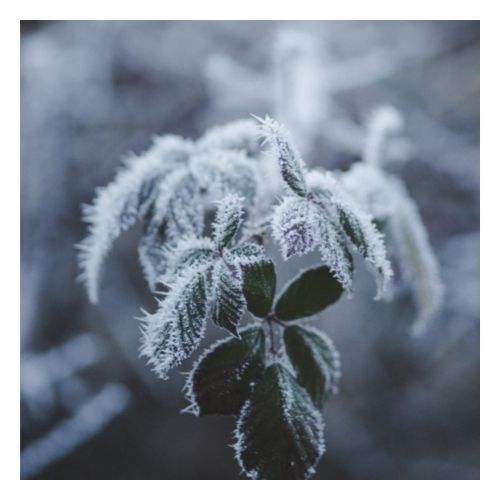
If you want to truly refresh your wool duvet or wool underblanket, save this tip: When it’s freezing outside and the world is covered in a layer of frost, place your duvet or underblanket out in the crisp white frost. Just one hour is enough. The duvet might get a little damp, but that’s no problem at all. Bring it back inside after an hour and hang it indoors to dry for the rest of the day. By evening, the blanket will be dry and wonderfully refreshed. We guarantee you’ll sleep like a log.
One final note
Naturally, when you receive your new wool duvet at home, it will have a slight sheep-like scent. This is almost always the case and is caused by the lanolin mentioned earlier. Some find the scent rustic and pastoral, some don’t notice it at all, and others find it less pleasant. For the less enthusiastic, we recommend airing out the duvet. Because the blanket is packed and transported in a plastic bag, the scent can linger. Once aired out, the scent disappears quickly. But truth be told: wool is wool, and the higher the quality of the duvet, the more likely you are to notice a light, natural scent.
Have you set your heart on a wool duvet, wool pillow, or wool underblanket, but still have a question? Call us, email us, or start a chat with one of our specialists. We are happy to help!